
Can one wardrobe really capture the soul of Stevie Wonder's five-decade career? The answer is yes - if you know which eras to mix. For fans looking to wear their love for Stevie's music, the key is understanding how Stevie Wonder merch eras differ and complement each other. Whether you're a child of the 70s or grew up on 90s R&B, there's a design that speaks your language.
← Back to Blog
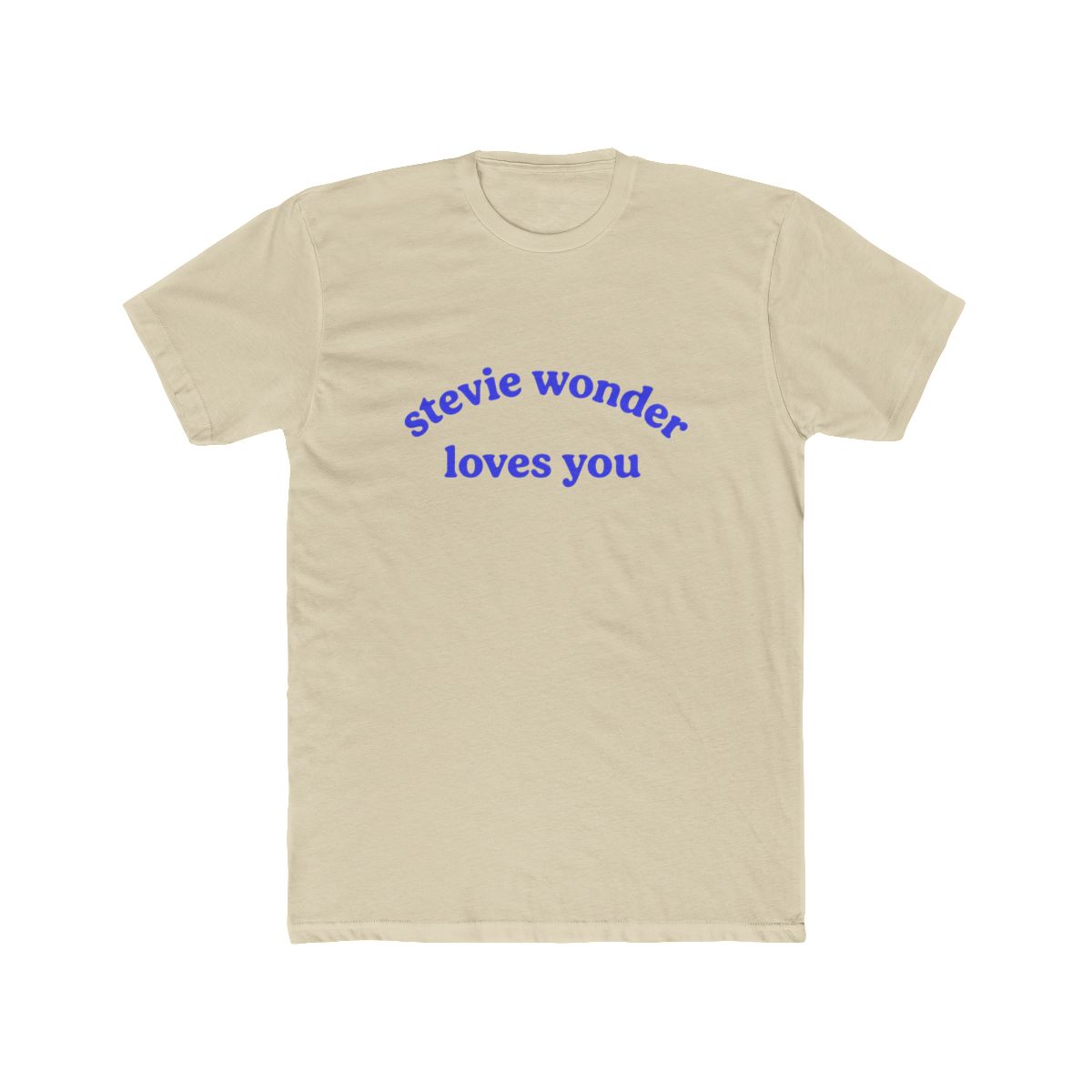

Stevie Wonder Merch for Every Era: 70s Soul to 90s R&B
From the warm soul of the 70s to the polished R&B of the 90s, Stevie Wonder's career spans decades - and so does the merch. Discover which era suits your style and how to mix them for a unique look.
Why Stevie Wonder's Music Spans Decades
Stevie Wonder didn't just make hits - he soundtracked movements. From the civil rights era to the digital age, his sound evolved without losing its core. That's why a single fan might connect equally with "Superstition" and "For Once in My Life" - they're bookmarks in time.
The Shifting Sound
Each decade brought a new Stevie. The 70s were about funk and soul, the 80s leaned into pop and synthesizers, and the 90s delivered mature R&B with sharp social commentary. A merch line that ignores these shifts misses the point.
Why Fans Care
When you wear a Stevie Wonder tee, you're not just showing fandom. You're claiming a specific moment in music history. That's why fans seek out era-specific designs - the typography, the colors, the album art tie-ins all matter.
Must-Have Merch for the 1970s Soul Era
The 1970s gave us "Talking Book," "Innervisions," and "Songs in the Key of Life." This is the most iconic era for Stevie, and merch from this period tends to be bold, warm, and a little retro.
What to Look For
- Album art tees: Designs featuring the "Songs in the Key of Life" cover with its rainbow and silhouette. These are classics.
- Folk-style typography: Think rounded serif fonts and earthy tones. A tee that says "Innervisions" in that 70s orange-brown hits different.
- Groovy patterns: T-shirts with kaleidoscopic prints or tie-dye inspired by the era's album sleeves.
- Tour retrospective: Some fan-made collections recreate the look of Stevie's 1974 tour posters.
Why It Works
These pieces pair well with high-waisted denim or vintage jackets. The colors are warm and invite conversation. In my experience as a merch designer, the 70s designs are the most popular among collectors because they feel timeless.
Top Picks from the 1980s Pop Revolution
The 80s brought "Hotter Than July" and "In Square Circle." Synth-pop and love songs ruled, and the merch followed suit. Clean lines, neon accents, and a more polished aesthetic.
Standout Styles
- Minimalist logos: Simple "Stevie" in bold sans-serif on a black tee. Think Prince's "Love Symbol" era but warmer.
- Neon splashes: Some designs incorporate the bright pinks and yellows from the "Hotter Than July" cover.
- Cassette tape graphics: Nostalgia for the mixtape era - designs that mimic the J-card of a Stevie Wonder cassette.
How to Wear
An 80s graphic tee looks sharp with a denim jacket and white sneakers. It's a cleaner look than the 70s vibe, and the fonts are more geometric. I've seen fans layer a 70s hoodie over an 80s tee to bridge the decades.
Representing the 1990s R&B and Social Commentary
By the 90s, Stevie was a veteran but still relevant. "Conversation Peace" and his work with other artists kept him in the spotlight. The merch from this era leans into message and texture.
Key Elements
- Social message tees: Designs that highlight lines from "Heaven Help Us All" or "Love's in Need of Love Today." Typography is often handwritten or distressed.
- Photographic prints: Black-and-white portraits of Stevie from the 90s, often with a signature or song title overlaid.
- Track listing layouts: Some shirts mimic the back cover of a CD, listing songs like "For Your Love" and "I'm New."
Why It Connects
These pieces speak to fans who value Stevie's activism as much as his music. The 90s merch tends to be more subdued - earth tones, faded prints, a more intimate feel. It's what you wear to a listening party, not a stadium show.
How to Mix and Match Eras for a Unique Look
The beauty of a layered career is that you don't have to commit to one decade. Combining pieces from different eras creates a personal story.
Practical Tips
- Bowls not clashes: A bright 70s tee can anchor a neutral outfit. Let the shirt be the statement.
- Layer by decade: Start with a 70s hoodie over an 80s long-sleeve. Roll the sleeves to show the contrast.
- Accessorize: A 90s beanie with a 70s patch sewn on. Or a canvas tote with the "Songs in the Key of Life" cover on one side and a 90s quote on the other.
My Go-To Combo
If I'm feeling bold, I'll wear a 70s-inspired tie-dye tee with a 90s-style canvas hat. The colors don't match perfectly - and that's the point: it shows you know the full catalog. You're not just a fan of "Superstition" - you've followed the whole journey.
Key Takeaways
- Stevie Wonder merch is most impactful when it references a specific era of his career
- The 1970s offers warm, retro designs from his classic album period
- The 1980s brings clean, pop-inspired minimalism
- The 1990s delivers socially conscious, photographic pieces
- Mixing eras shows deep fandom and creates a unique personal style
Frequently Asked Questions
What is the most popular Stevie Wonder merch era?
The 1970s consistently tops the list, especially designs from the "Songs in the Key of Life" album. Those warm, retro graphics appeal to both longtime fans and new listeners discovering his classic work.Are there modern pieces inspired by his 1980s look?
Yes. Many fan-made designs recreate the neon and synth-pop aesthetic of albums like "Hotter Than July." Look for minimalist logos with vibrant accents on black or white tees.How can I tell if a design is era-specific?
Check the font, color palette, and album references. 70s designs use serif fonts and earthy tones. 80s pieces prefer bold sans-serif and brights. 90s merch often features black-and-white photos or handwritten text.What fabric works best for vintage-style merch?
For a true retro feel, look for tri-blend shirts (cotton-polyester-rayon mix). They drape like vintage tees and wash softer over time. Pure cotton is also great but can shrink.Can I combine a 70s hoodie with 90s accessories?
Absolutely. Mixing eras shows you appreciate the full catalog. Try a 70s album-art hoodie with a 90s-style beanie and vintage sunglasses. The contrast tells a story.
Related Posts
Shop Stevie Wonder Merch
Official merchandise — premium quality, designed for the community.
Stevie Wonder Tshirt| Stevie Wonder Shirt| Motown T-Shirts| Soul Music| African American| Black Men| Gift for Music Fan | Gift For Her
$42.99Stevie Wonder Loves You | Stevie Wonder Shirt, Motown Fan Tee, Soul Gift
$29.99